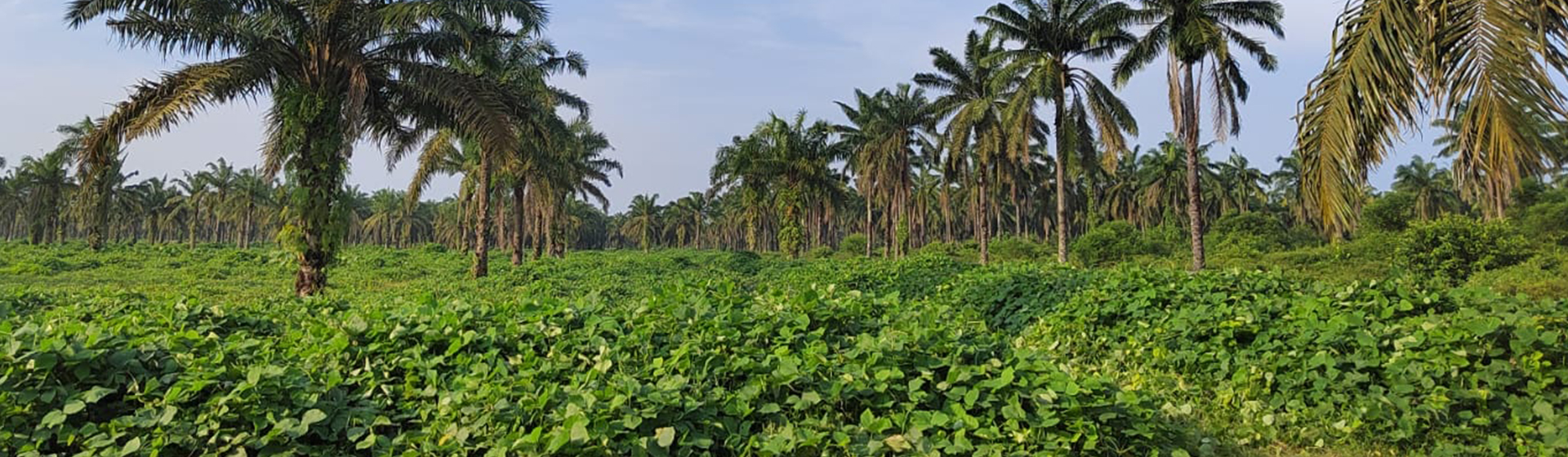
Quality pollination control has a direct impact on the success of oil palm seed yields. Pollination control bags (also known as crossing or selfing bags) from PBS International have been scientifically proven to improve yields and revenue. Investing in quality pollination control from the outset will directly influence the success of your harvest and yield ROI (Return-on-Investment).
Why is pollination control important in oil palm breeding?
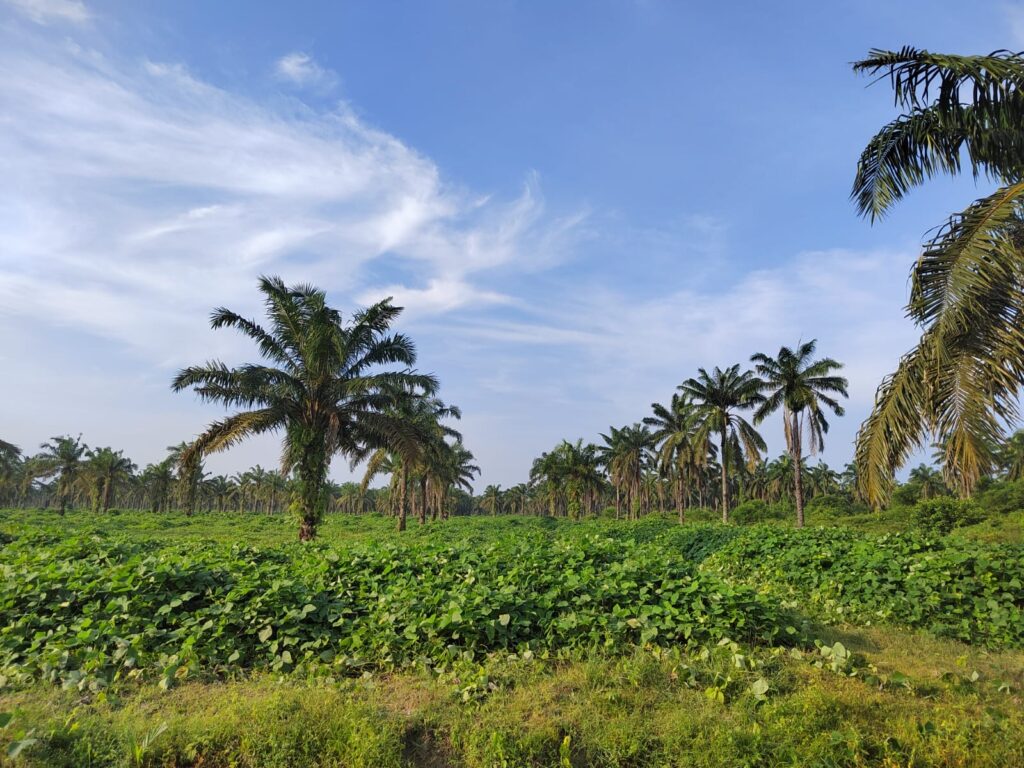
Palm oil is a versatile crop, with uses across cooking, cosmetics, and cleaning, and is the most widely produced edible oil globally. There are two types of palm oil derived from the oil palm tree – palm oil that has been extracted from the fruit, and palm kernel oil which is extracted from the seed or kernel.
To maximise oil yields from oil palm fruits, breeding efforts focus on breeding species of oil palm trees that produce more fruit bunches that maximise oil outputs. This means focusing specifically on breeding tenera palms.
Tenera palms are the oil palm breed that produce the highest oil yield, thanks to the fruits’ thin hard shells and higher volume of oil-producing flesh. They are created by crossing a dura (thick hard shell) mother palm with a pisifera (no hard shell) father. Pollination control is essential when breeding these palms, to avoid contamination from dura pollen as too many dura palms can have a huge impact on oil yields at harvest.
How important is quality in pollination control?
Many oil palm breeders use pollination control to manage the tenera breeding process, but poor-quality pollination control can introduce more challenges.
Quality is therefore essential in choosing pollination control for oil palm breeding. Investing in quality crossing bags from PBS International results in:
- Improved seed yields
- Higher revenue and ROI
- Better protection against insects
- Bags maintain shape and do not collapse onto the inflorescence
- Breathability to reduce water and humidity build-up
- Minimised seed loss from mould incidence
- Repeat seasonal usage to bring down ongoing cost-in-use
How do PBS International bags compare with cheaper alternatives?
PBS International bags were compared to canvas and polyethylene (PE) bags for commercial seed production in an independent study by Dami’s Oil Palm Research Station. The findings clearly showed that investing in PBS International bags (made with duraweb® nonwoven material) offer a greater return on investment, and better protection throughout the oil palm breeding process.
The research first looked at usability: ranking bags on their ability to stay intact, protect against insects, and minimise water retention. The results were as below:
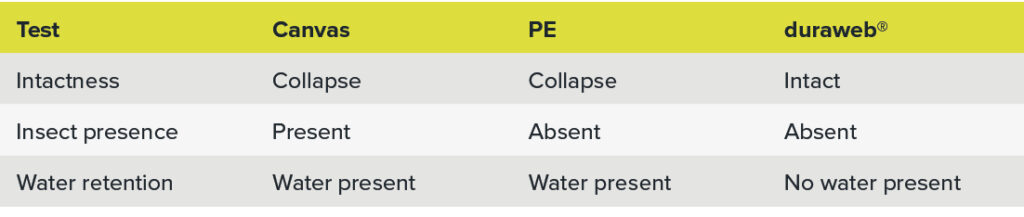
The study also found that the PBS International bags yield 13% more oil seeds than the PE bags, and 6% more seeds than canvas. Higher seed yields mean lower costs, as fewer bunches are needed to reach seed goals, thus offering savings in associated costs such as labour, administration, and processing.

For every 1,000 bags, the superior seed yield from the duraweb® bags equates to almost $97,000 additional revenue (compared with PE bags), and $49,000 additional revenue compared with canvas bags for oil palm breeding. This is because the duraweb® bags result in higher seed yields, and also higher quality yields, meaning more seeds are produced and fewer are discarded due to contamination issues.
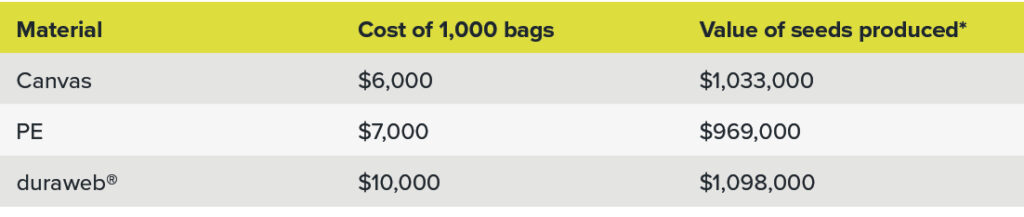
*assuming 75% germination rate and $1 per seed.
The evidence is clear: a greater upfront investment in pollination control has a direct impact on ROI, ensuring greater returns and better value long-term.
Customer example – Ghana Sumatra Ltd.
Ghana Sumatra Ltd. is the only commercial oil palm seed production company in Ghana. Its role is to breed pure tenera seeds which can then be supplied to growers to grow tenera fruits for palm oil cultivation.
Thomas Dakogre, General Manager at Ghana Sumatra, first came across PBS International bags for oil palm breeding when attending a training session in Indonesia in 2011. The bags were recommended by colleagues for their superior protection, breathability, and control.
The Ghana Sumatra team invested in the PBS International bags as a result of these recommendations and have been loyal customers since, thanks to the bags’ reliability in protecting seeds from contamination.
“You cannot be a good pollinator without quality pollination control. Ghana Sumatra ensures its pollinators are well-trained and use PBS International bags as part of our commitment to providing reliable, high-quality seeds that our customers can trust. Thanks to the PBS International bags, we can confidently guarantee 99.9% purity in our seeds.”
– Thomas Dakogre, General Manager, Ghana Sumatra Ltd
You can read the full case study here.
Best practice for choosing oil palm pollination control
- Consider initial costs against return on investment: opting for cheaper bags may impact seed quality and yields down the line, resulting in increased labour costs and reduced revenue.
- Consider other factors in addition to pollination control: cheaper bags may physically block pollen, but if they are easily torn by spiky inflorescences, prone to waterlogging, or fail to stop insects getting in, contamination and mould is still a major risk that can impact your yields.
- Speak to the experts to find the bag best suited to your needs: PBS International’s team works with oil palm breeders every day and can help you choose the bag type and size that is best suited to your specific needs, as well as supported by distributors in Malaysia and Indonesia.
Learn more about PBS International’s expertise in oil palm breeding and future-proof your oil palm breeding programme today: Contact us.
FAQs
Q: What are the differences between the three types of oil palm?
A: Oil palm has three distinct breeds – dura, pisifera, and tenera. Each breed is characterised by the differences in the three layers of the fruit. Dura palms produce fruits with thick, hard shells, which means there is less space for the oil-producing fruit flesh and kernel. Pisifera palms produce fruits with no hard shell at all, but this breed is sterile and produces less fruit. Tenera palms produce fruits with a thinner hard shell, making them the gold standard for palm oil production – they produce more fruit, but the individual seeds have smaller hard shells and greater volumes of oil-producing kernels and fruit flesh.
Q: Why is breeding tenera palms so difficult?
A: Pure tenera palms can only be created by hybridising a dura mother and a pisifera father. They cannot reliably produce more tenera seed alone, meaning that oil palm breeders must carefully manage pollination between a dura and a pisifera to ensure that the only output is a tenera palm. Dura contamination can occur if unwanted pollination occurs, which can be disastrous for oil palm producers.
Q: Why is dura contamination such a problem?
A: The thick shell of the dura fruit means that, when processed, it produces significantly less oil than a tenera fruit. If dura contamination is high in a batch of seeds, this can result in more dura palms being grown, and subsequently much lower oil yields and reduced revenue. Dura palms also have a strong aniseed smell, which can attract pests such as weevils, posing further risks to fruit yields if an infestation takes hold.
Q: Why do breeders use less effective pollination control bags?
Pollination control bags made from canvas or PE often have a much lower price point, so initially seem like the most cost-effective choice for oil palm breeders. However, challenges such as water retention, pest infestations or bags collapsing and tearing against inflorescences do not become clear until it comes to harvest, when many breeders find that seeds have to be discarded due to contamination or mould / pest incidence. To avoid this, investing in quality pollination control from the outset reduces the risk of these events occurring, helping breeders to maximise yields and subsequent revenue in the long run.
Glossary
Crossing bag: another term for pollination control bag
duraweb®: PBS International’s proprietary material used to create its pollination control bags and tents. It is made up of randomly laid polyester fibres which allow for air to pass through, while making it difficult for pollen to pass through and for bags to be torn.
Intactness: the ability of a pollination control bag to maintain its shape and avoid collapsing on the oil palm inflorescence.