World leaders in pollination control
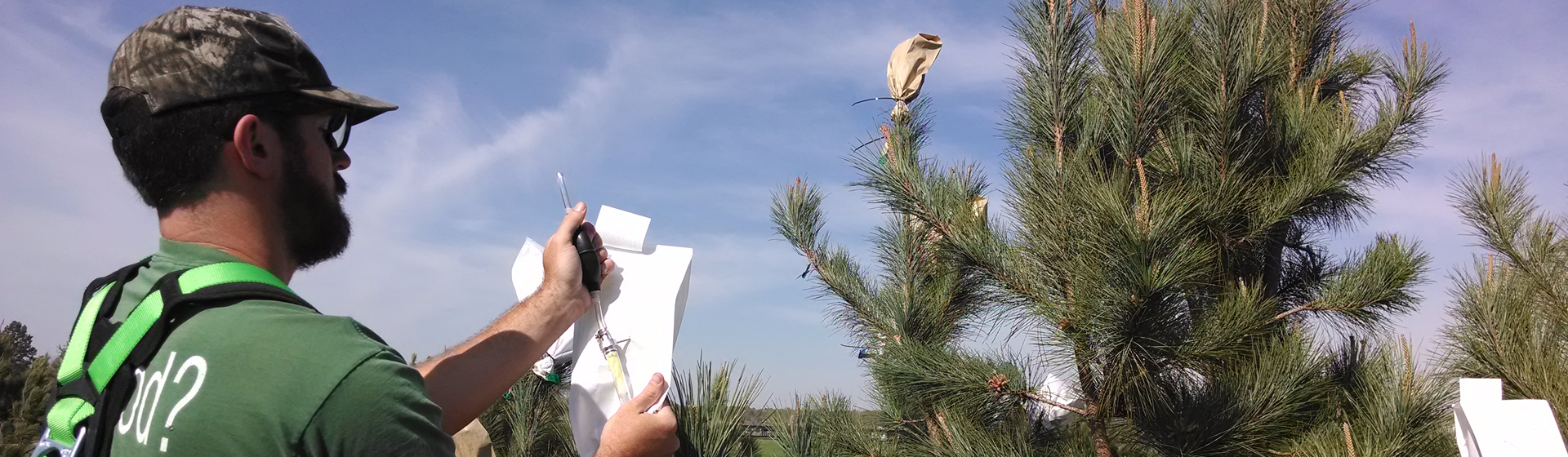
At PBS International, every product we develop is focused on one objective: helping researchers, plant breeders and commercial seed producers achieve more reliable pollination control and better breeding results.
For more than 40 years, we have invested in research, product development and independent field trials to ensure our pollination bags, isolation bags and pollination control systems perform consistently in real breeding environments. By combining practical experience with scientific evaluation, we develop products that deliver reliable pollen exclusion, excellent airflow and effective protection from environmental conditions.
Our products are developed in partnership with universities, research institutes and commercial breeding organisations worldwide, helping us understand the real challenges faced in plant breeding, hybrid seed production and crop research.
Independent studies and field trials have evaluated:
Pollination control and pollen exclusion
Air and moisture permeability
Resistance to insects and environmental contamination
Durability throughout the breeding cycle
Seed quality and breeding performance
This research enables us to continually refine our products and provide solutions based on proven performance rather than assumptions.
We have undertaken collaborative research with leading organisations, including Embrapa, NCSU, NIAB, Oklahoma State University and Australian National University. We also publish regular research updates highlighting key findings and developments.
PBS International products are used across breeding programmes covering cereals, grasses, forestry, oil palm, hemp, hops, cannabis and many other crops.
As breeding techniques continue to evolve, so does our research. We continue to investigate new materials, manufacturing techniques and product designs that improve pollination control while making breeding programmes more efficient and repeatable.
Our commitment to research ensures every product we manufacture is backed by decades of practical experience, scientific collaboration and continuous improvement.
Our research team is led by Technical Manager, Dr Daljit S. Virk OBE. With more than 45 years’ experience as a geneticist, plant breeder, university professor and international research leader, Dr Virk has worked extensively across Asia, Africa and the UK on internationally funded crop improvement programmes. He holds both PhD and Doctor of Science degrees from the University of Birmingham.
The research below highlights independent studies, technical evaluations and development projects that have contributed to the continuous improvement of PBS International’s pollination control products.
Oct 8th 2014
Recently an independent study was carried out by Oklahoma State University
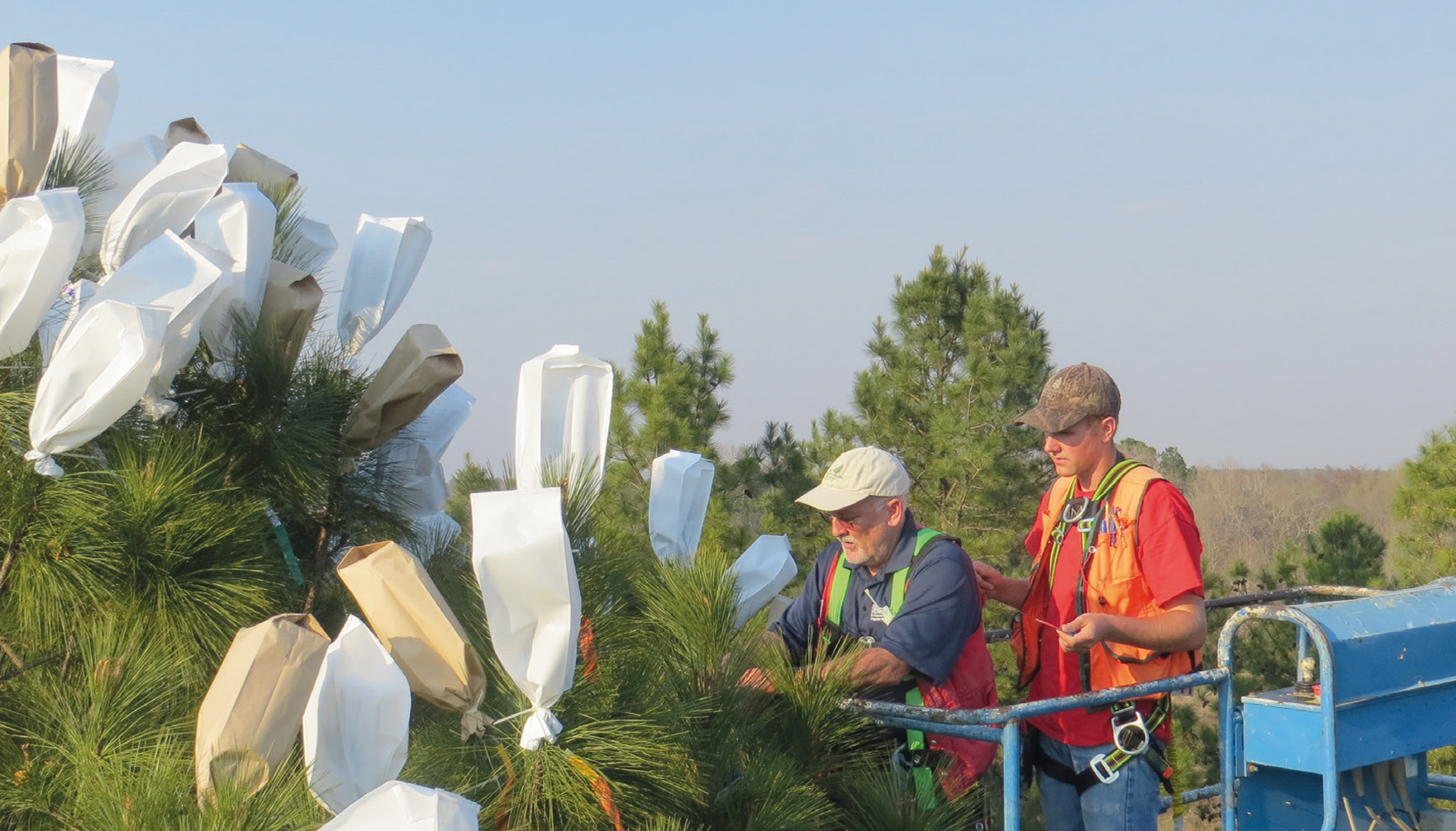
Jul 9th 2014
Welcome to the second PBS International Research Update. This edition covers research across a range of species. The theme linking the findings relate to the different ways that the choice of pollination bags can impact your breeding programme.
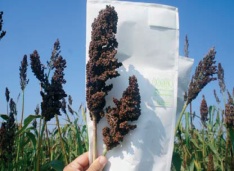
Feb 18th 2014
The climate is a typical rainy (summer) and dry (winter) each approximately six months long.
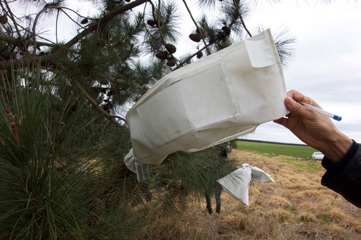
Feb 12th 2014
Embrapa, Brazil, a leading research centre within the forest management and reforestation arena, is presently using an in-house made pollination bag
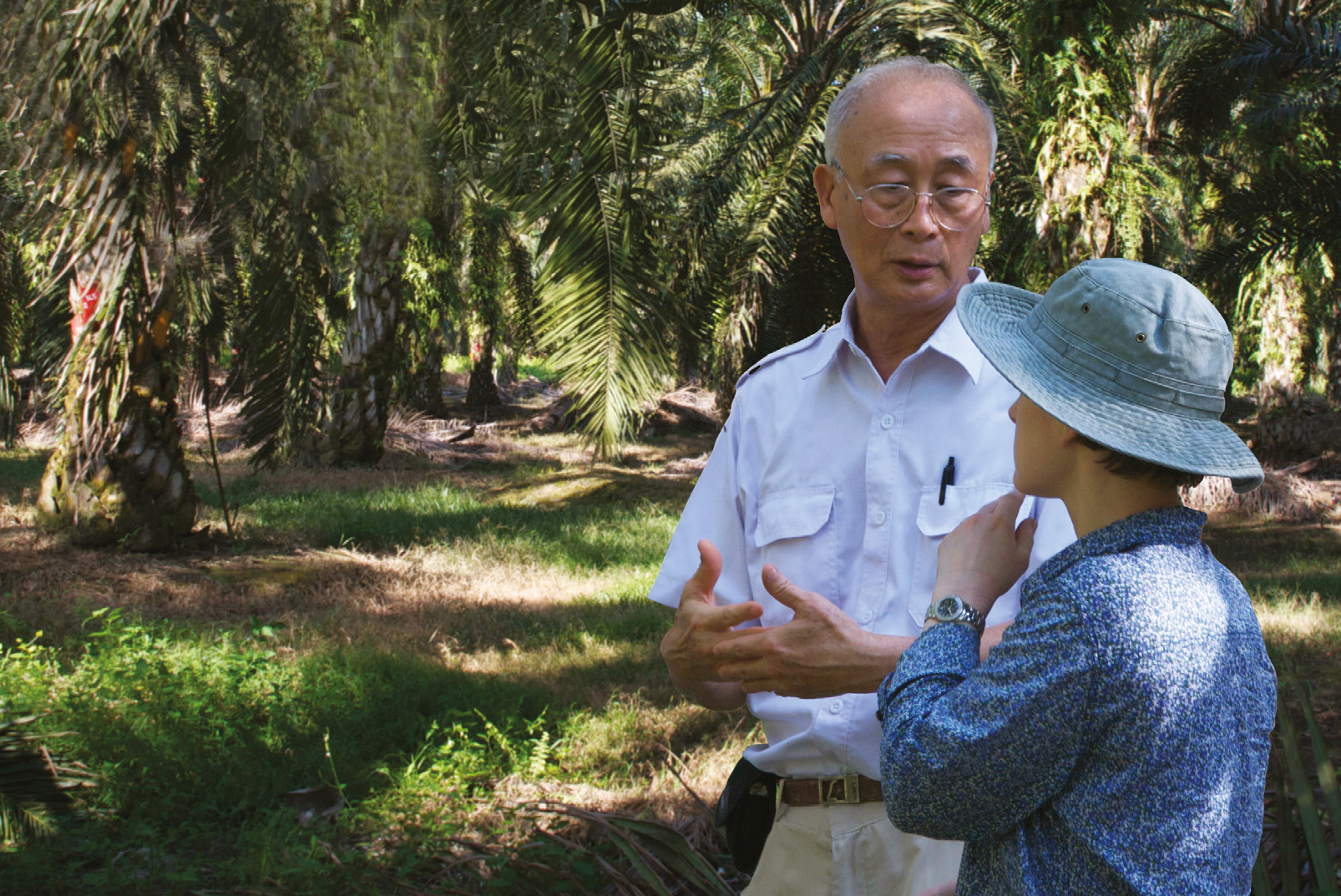
Jan 4th 2014
Welcome to the first PBS International Research Update, a periodic publication to share research relating to issues around pollination control.

Jan 2nd 2014
Comparison of three types of pollination bag in an oil palm seed production setting.
Jul 26th 2013
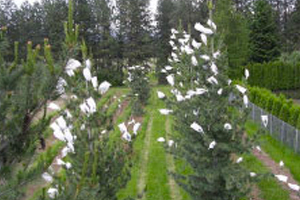
Suitable Pollen isolation bags for selective breeding of conifers.
Jul 9th 1987
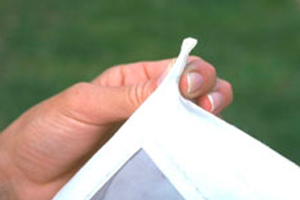
Crossing bags manufactured from three grades of polyester and three types of paper bags were tested